

This post may contain affiliate links. Please read our disclosure policy.
This rosemary latte is the drink I had at a coffee shop in Springfield, MO that I could not stop thinking about all the way home. Smooth espresso, steamed milk, a soft hit of vanilla, and that warm, piney rosemary flavor running through every sip.
So I figured out how to make it. The whole thing comes together with a quick rosemary vanilla syrup (my new favorite of all my homemade coffee syrup recipes), two shots of espresso, and steamed milk. The syrup keeps for two weeks in the fridge, which means future-you can have a rosemary latte in about 90 seconds for the rest of the month.

Let’s Chit Chat
I walked into a coffee shop expecting to order my usual, and then I saw rosemary latte on the chalkboard menu and stopped. The description said house-made rosemary simple syrup with vanilla, espresso, and steamed milk. I almost didn’t order it. Rosemary in coffee felt like a stretch.
One sip in and I was already mapping out how to make it at home. The rosemary did not taste like the herb you put on chicken. It was warm, a little piney, a little floral, and it played really beautifully with the vanilla and the espresso. The salt in the background made everything taste rounder.
My version uses real vanilla bean paste and a pinch of sea salt right in the syrup so every drink hits the same notes I had at the shop. If you have ever doubted rosemary in coffee, this is the recipe that will turn you.
Why This Rosemary Latte Works
- The syrup does the heavy lifting. Vanilla bean paste and sea salt go right into the syrup, so every latte tastes balanced without you measuring four things into the cup.
- Bruised rosemary, bigger flavor. Twisting the sprigs between your hands before they hit the pan releases way more of the aromatic oils. You get more rosemary flavor from fewer sprigs.
- Three sweetener paths. White sugar, honey, or brown sugar. Each gives the rosemary latte a different mood. I break down the differences below so you can pick what fits.
- Coffee shop quality, 90 second build. Once the syrup is made, you can have a rosemary latte in your hand faster than you could drive to a coffee shop. It’s the same idea as my Starbucks vanilla latte copycat, just with an herbal twist.
Key Ingredients
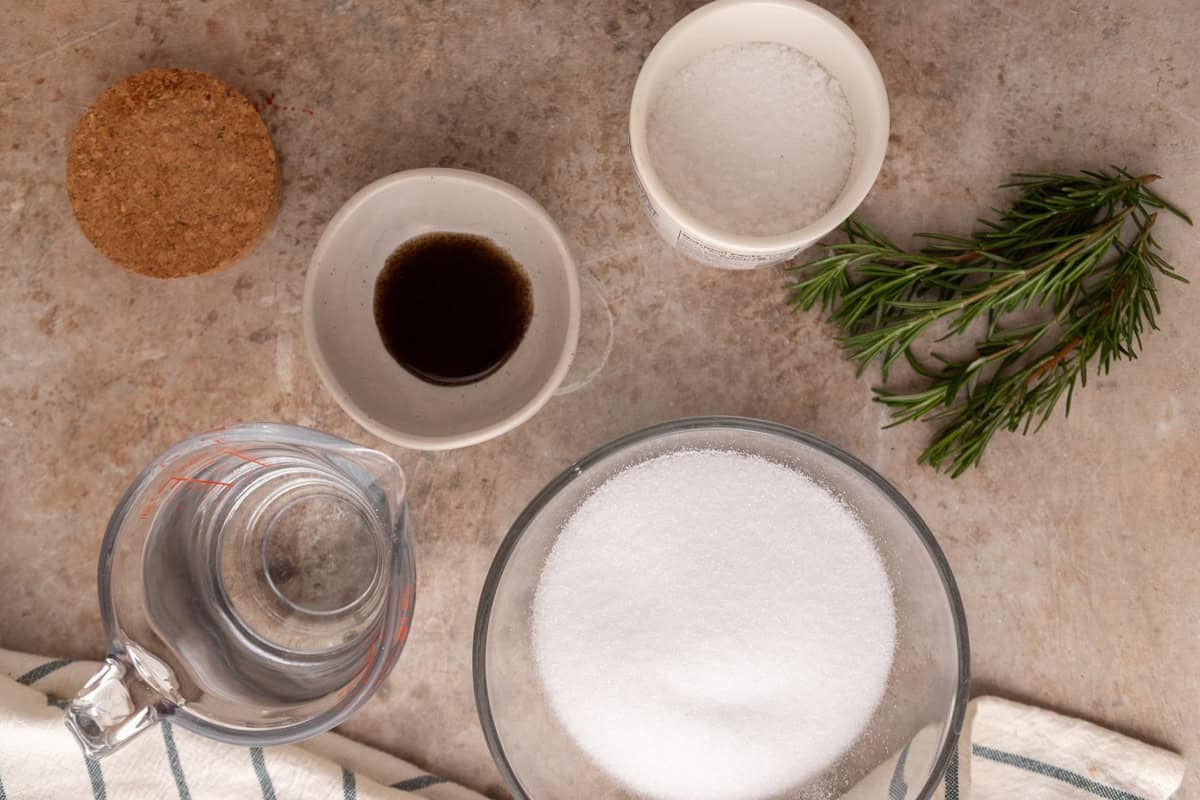
For the rosemary vanilla syrup
- Granulated sugar. White sugar keeps the rosemary and vanilla front and center.
- Water. Equal parts water to sugar gives you a classic simple syrup ratio.
- Fresh rosemary sprigs. Always fresh, never dried. Dried rosemary turns the syrup bitter when steeped.
- Vanilla bean paste. Real vanilla bean paste gives you the visible flecks and a deeper vanilla flavor than extract.
- Fine sea salt. Just an eighth of a teaspoon to round out the sweetness and bring out the herbal notes.
For the latte
- Espresso. Two shots, freshly pulled. No espresso machine? Sub two ounces of strong brewed coffee or instant espresso powder dissolved in hot water. Making it iced? Cold brew concentrate works great too.
- Milk. Whole milk steams the creamiest, but oat milk and 2% both work. Use a barista blend non-dairy milk if you want foam.
- The rosemary vanilla syrup. Two tablespoons per drink as a starting point. Adjust to taste.
How to Make a Rosemary Latte
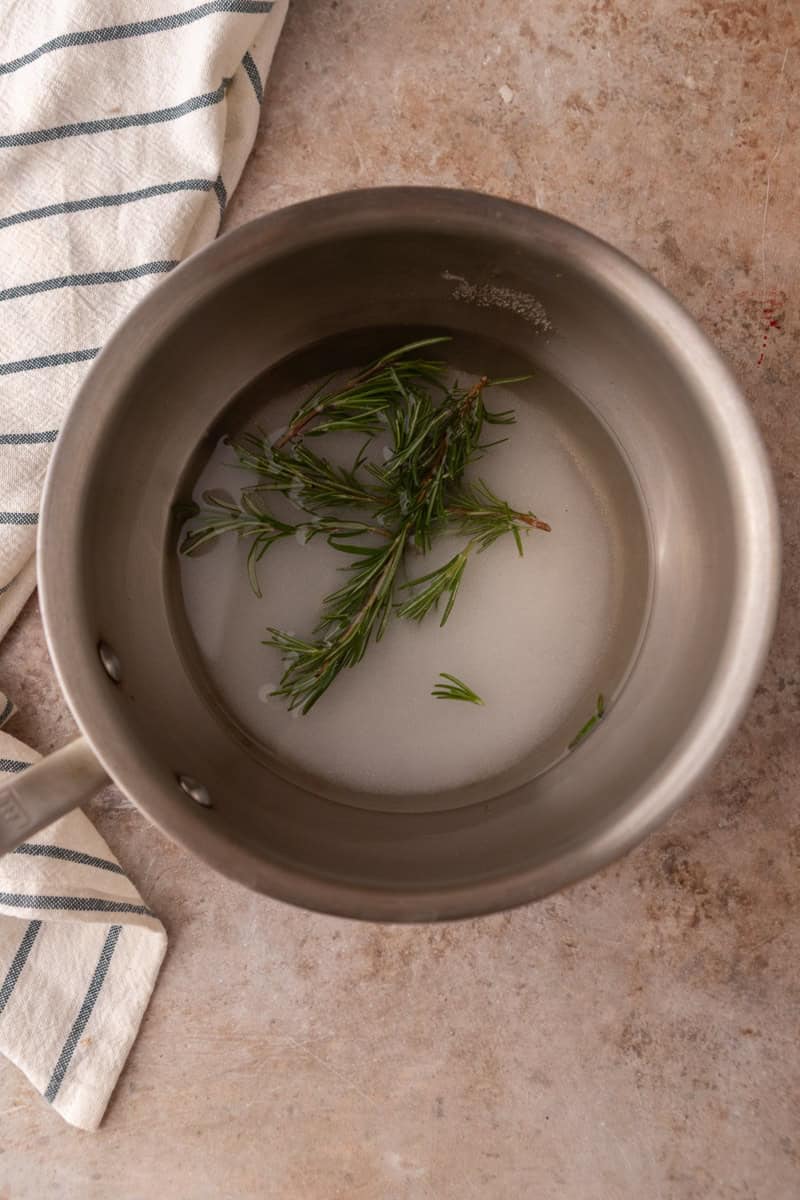
- Bruise the rosemary. Twist each rosemary sprig gently between your hands a few times to crush the leaves slightly and release the oils. This single step is the difference between a rosemary latte that whispers and one that actually tastes like rosemary. Add the sprigs to a small saucepan with the sugar and water.
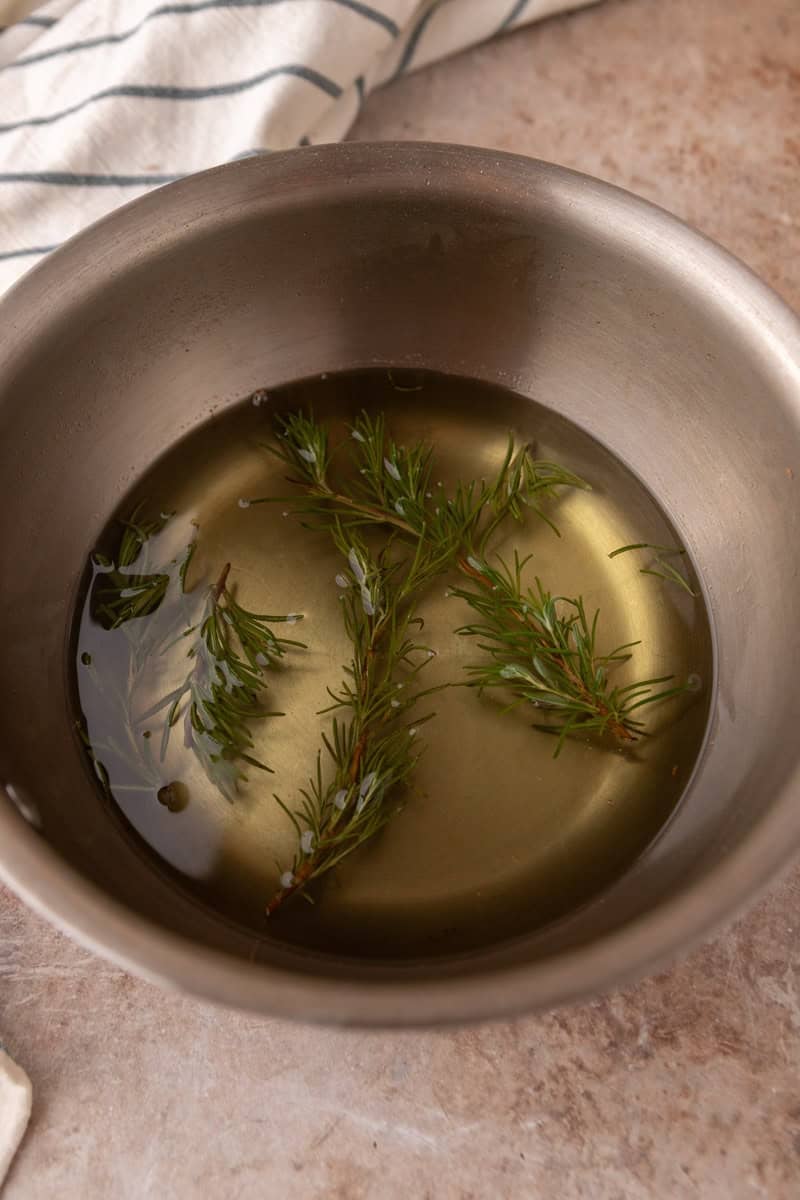
- Simmer the syrup. Bring everything to a gentle simmer over medium heat, stirring occasionally until the sugar fully dissolves, about 3 to 5 minutes.
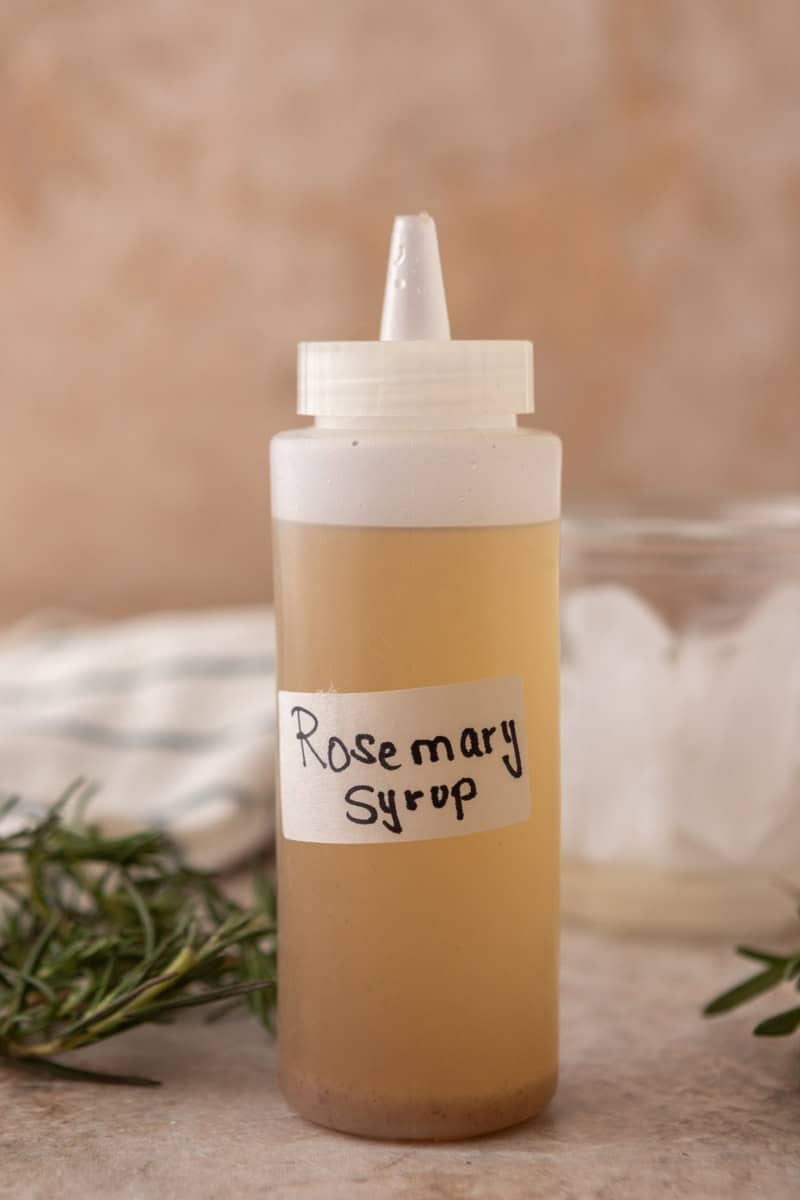
- Steep and strain. Pull the pan off the heat and stir in the vanilla bean paste and sea salt right away. Let the rosemary steep for at least 30 minutes (the longer it sits, the stronger the flavor), then strain out the sprigs and transfer the syrup to a jar or squeeze bottle.
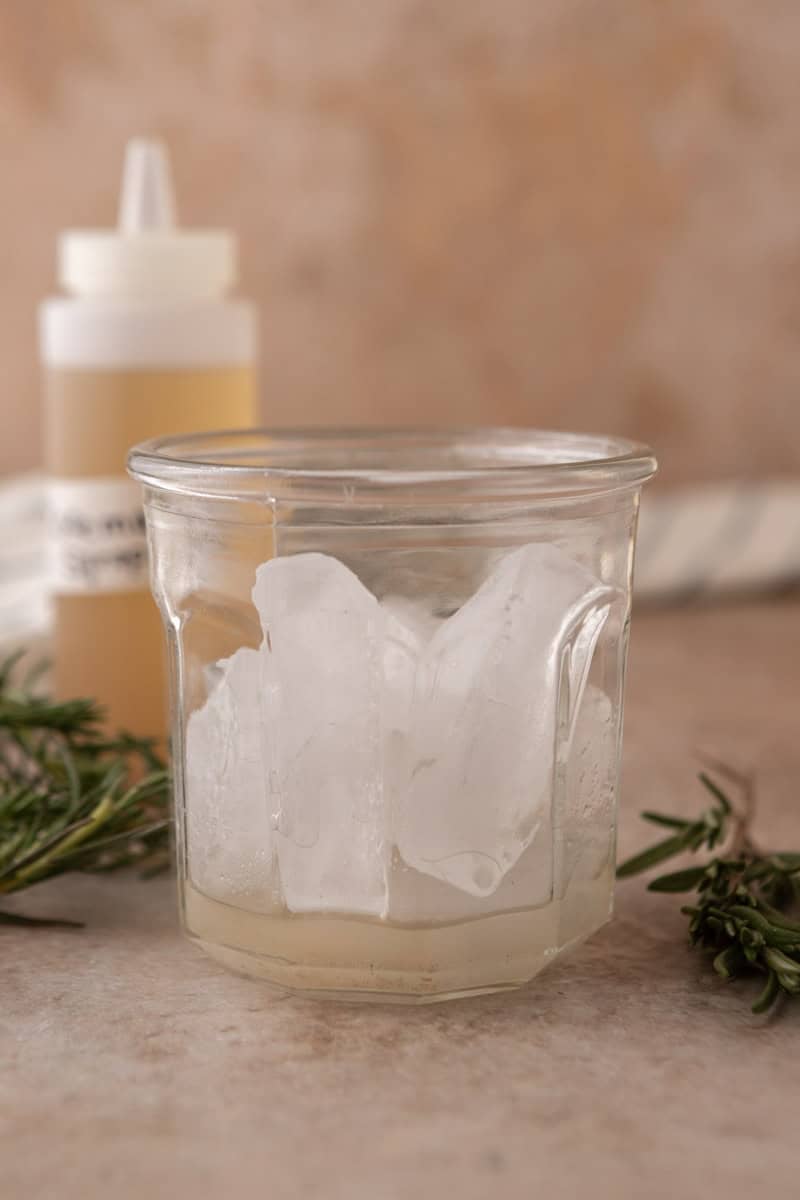
- Add the syrup. Add 2 tablespoons of the rosemary vanilla syrup to your mug. For an iced rosemary latte, add it to a glass filled with ice instead.
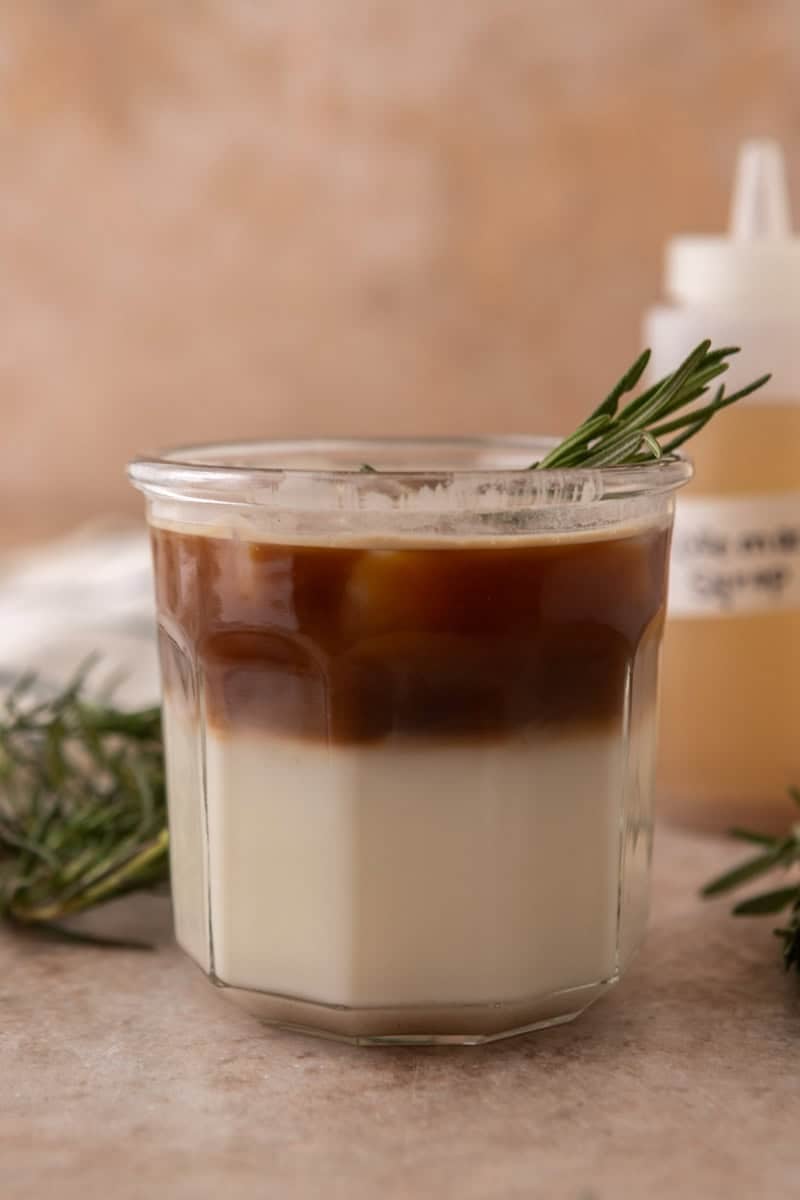
- Add the espresso and milk. For a hot latte, pull two shots of espresso right into the mug, stir, then pour in your steamed or warmed milk. For iced, pour in cold milk first, then the espresso over the top for those pretty layers.

- Stir and garnish. Give it a gentle stir and garnish with a small sprig of rosemary if you want to be extra!
Honey vs Brown Sugar vs White Sugar: Which Should You Use?
This is the part of a rosemary latte that nobody really explains, so here is the breakdown. Each sweetener changes the personality of the drink.
White sugar (my pick)
Clean, neutral sweetness. Let the rosemary and vanilla be the loudest voices in the cup. This is what the coffee shop used and it is what I default to. You can swap in monk fruit sweetener 1:1 if you want a lower-calorie version with the same flavor. (Keep in mind that the monkfruit might crystallize when stored.)
Honey
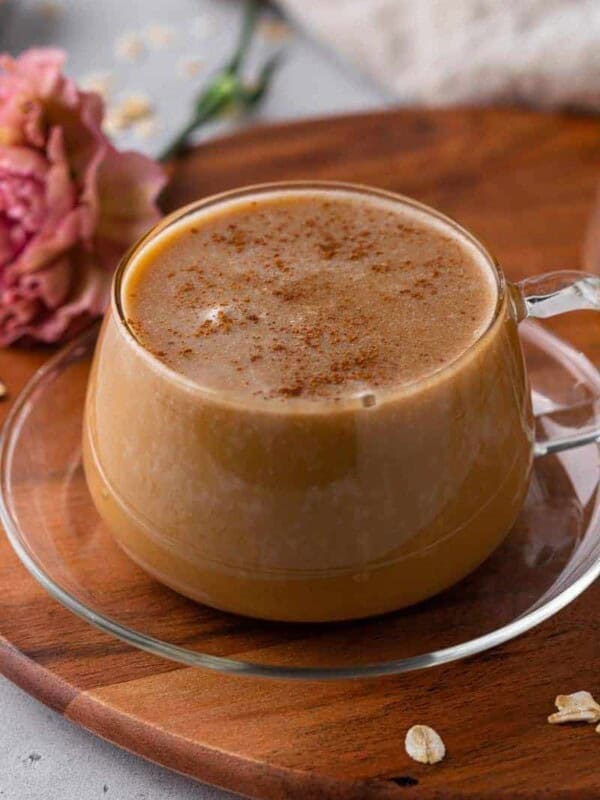
Soft, floral, and a little earthy. Honey and rosemary actually share some flavor notes, so they pair really nicely. The latte tastes more wintery and warm with honey. Use the same 1 to 1 ratio (1 cup honey to 1 cup water) and only warm it gently on the stove until the honey dissolves. No need to simmer hard. If honey and espresso are your thing, my honey oat milk latte is a must too.
Brown sugar
Deeper, almost caramel sweetness with molasses notes. The rosemary latte tastes cozier and more dessert-like, but the molasses can slightly mute the rosemary flavor. This is my pick for fall and winter mornings when I want something that drinks more like a treat, kind of like my iced brown sugar coffee.
Expert Tips
- Always bruise the rosemary. I cannot stress this enough. It is the difference between herbal and barely-there.
- Do not boil the syrup hard. A gentle simmer just to dissolve the sugar is plenty. Aggressive boiling can turn the rosemary slightly bitter.
- Add the vanilla off the heat. Vanilla flavor cooks off when you boil it. Stir it in once the pan is off the burner.
- Taste your syrup before you commit. After 30 minutes of steeping, taste it. If it is not rosemary-forward enough, let it steep another 15 to 20 minutes before straining.
- Start with less syrup. Try 1 tablespoon first if you are a lighter sweet drinker. You can always add more. If you like your lattes on the sweeter side, my Spanish latte is next.
How to Make an Iced Rosemary Latte
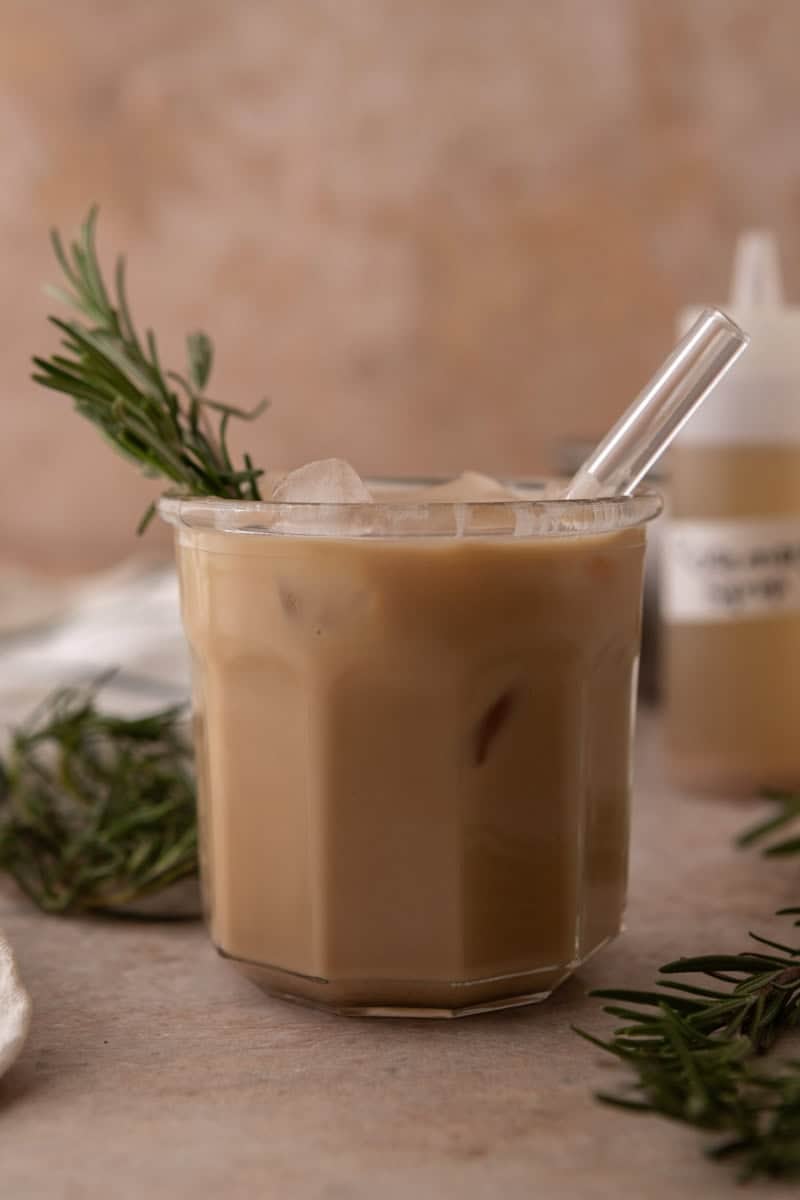
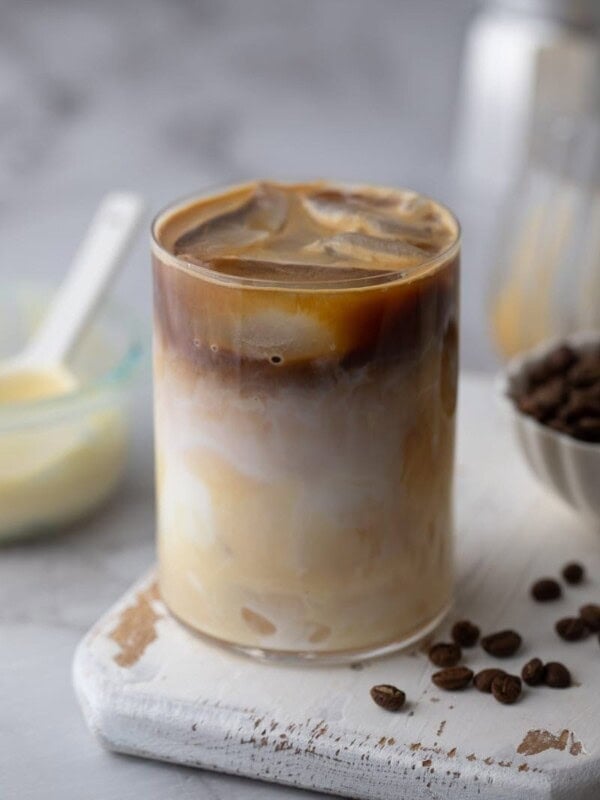
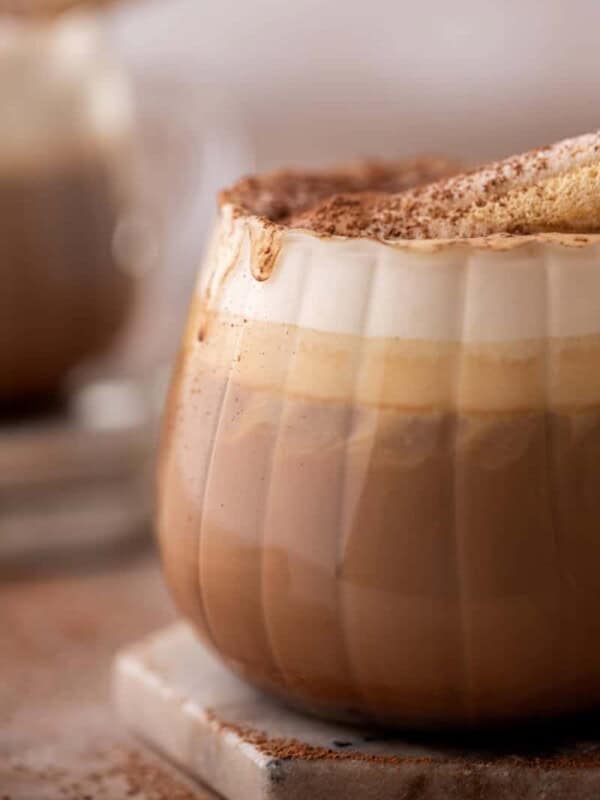
Same syrup, different build. Fill a tall glass with ice, add 2 tablespoons of the rosemary vanilla syrup, pour two shots of espresso right over the ice, and top with cold milk. Once you are hooked on coffee shop drinks at home, my tiramisu latte is another one to try.
Storage
The rosemary vanilla syrup keeps in an airtight jar in the fridge for up to 2 weeks. Give it a quick shake before each use since the vanilla bean specks can settle. The actual rosemary latte is best the moment you make it, but you can absolutely batch the syrup on Sunday and ride that batch all week. I do the exact same thing with my gingerbread syrup for coffee all winter.
Rosemary Latte FAQs
Yes, and I was as skeptical as you. Rosemary has piney and herbal notes that overlap with the bitter, earthy side of espresso, so they actually complement each other in a rosemary latte. The vanilla and milk soften the rosemary so it never tastes savory or chicken-dinner-adjacent.
I would not. Dried rosemary turns bitter when you steep it in hot syrup and is harder to strain out cleanly. Fresh rosemary gives your rosemary latte that bright, aromatic flavor without the bitterness. It is in the produce section of pretty much every grocery store.
Rosemary latte syrup keeps up to 2 weeks in an airtight jar in the fridge. If you want it to last longer, freeze it in an ice cube tray and pop out a cube whenever you want a rosemary latte.
Yes. Sub 2 ounces of very strongly brewed coffee, or use instant espresso powder dissolved in 2 ounces of hot water. Your rosemary latte will be slightly less concentrated but still really good.
Two usual culprits: you steeped the rosemary too long (more than about an hour and a half pushes it medicinal) or you used dried rosemary. Fresh rosemary and a 30 to 45 minute steep give you a smooth rosemary latte syrup every time.
Absolutely. Oat milk barista blend is my favorite for a dairy-free rosemary latte because it foams beautifully and has a subtle sweetness that plays well with the herbal notes. Almond, soy, and coconut all work too.
More Coffee Shop Lattes to Make at Home
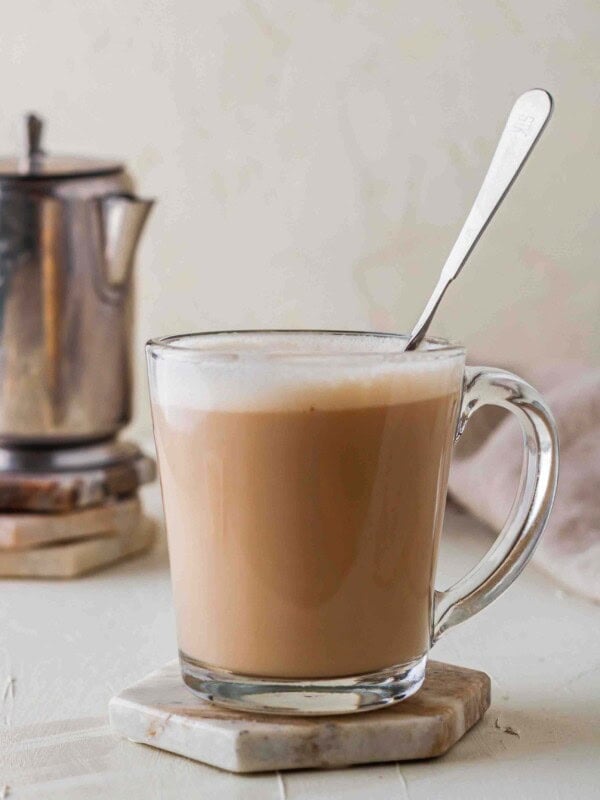
Did this rosemary latte turn you into a rosemary-in-coffee believer too? Leave a ⭐ star rating and a comment below, and tell me if you went hot, iced, white sugar, or honey!!

Rosemary Vanilla Latte
Ingredients
For the rosemary vanilla syrup (makes about 1 cup):
- 1 cup granulated sugar or sub monk fruit sweetener for lower calorie, see notes
- 1 cup water
- 3 to 4 fresh rosemary sprigs
- 1 teaspoon vanilla bean paste
- 1/8 teaspoon fine sea salt
For the latte (per drink):
- 2 shots espresso about 2 oz
- 2 tablespoons rosemary vanilla syrup more or less to taste
- 6 to 8 oz steamed or warmed milk of choice or cold milk for an iced drink
Instructions
- Bruise the rosemary. Take each rosemary sprig and twist it gently between your hands a few times. This breaks up the leaves slightly and releases a lot more of the aromatic oils, so you get bigger rosemary flavor without needing more sprigs.3 to 4 fresh rosemary sprigs
- Make the rosemary vanilla syrup. In a small saucepan, combine the sugar, water, and bruised rosemary sprigs. Bring to a gentle simmer over medium heat, stirring occasionally until the sugar fully dissolves, about 3 to 5 minutes.1 cup granulated sugar, 1 cup water, 3 to 4 fresh rosemary sprigs
- Steep. Remove the saucepan from the heat and stir in the vanilla bean paste and sea salt. Let the rosemary sprigs steep in the syrup for at least 30 minutes. The longer it sits, the more rosemary flavor you’ll get. Strain out the sprigs and transfer the syrup to a jar.1 teaspoon vanilla bean paste, 1/8 teaspoon fine sea salt
- Build the latte. In your mug, combine 2 tablespoons of the rosemary vanilla syrup with 2 shots of hot espresso and stir well.2 shots espresso, 2 tablespoons rosemary vanilla syrup
- Add milk. Pour in your steamed or warmed milk and give it a gentle stir. Top with foam if you like, garnish with a small sprig of rosemary, and serve right away.6 to 8 oz steamed or warmed milk of choice
Notes
Honey adds a soft floral, slightly earthy sweetness that pairs really well with rosemary since both have herbal notes. The latte will taste a little more wintery and warm. Use the same ratio (1 cup honey to 1 cup water) and warm it gently just until the honey dissolves, no need to fully simmer.
Brown sugar brings a deeper, almost caramel-like sweetness with molasses notes. It makes the latte taste cozier and more dessert-like, but it can slightly mute the rosemary. Great for fall and winter or if you like a richer, sweeter latte.
Nutrition
Nutrition information is automatically calculated, so should only be used as an approximation.


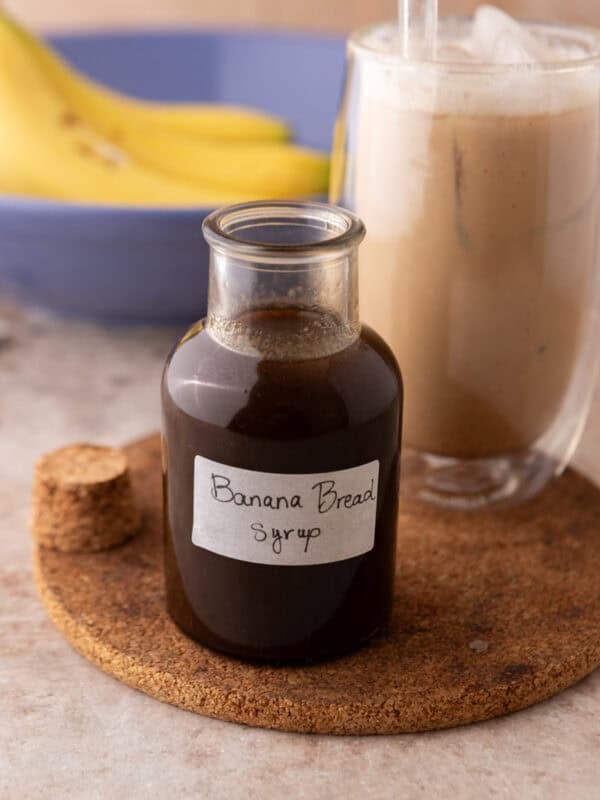

Bruising the rosemary before it hits the syrup makes a bigger difference than people expect. Also don’t rush the steep. 30 minutes is the minimum, but if you have the time, let it sit closer to an hour. The rosemary flavor builds a lot in that extra window and it’s worth the wait.